Can I Use Gochujang Instead of Gochugaru? Understanding the Difference in Korean Cooking
Many people exploring Korean recipes often ask, can I use gochujang instead of gochugaru? Since both ingredients come from Korean red peppers, they may seem interchangeable at first. However, they are quite different in texture, flavor, and how they affect a dish.
The short answer is: yes, you can sometimes use gochujang instead of gochugaru, but only with adjustments because they are not direct substitutes.
What Is the Difference Between Gochujang and Gochugaru?
Although both ingredients are made from Korean chili peppers, they are produced differently.
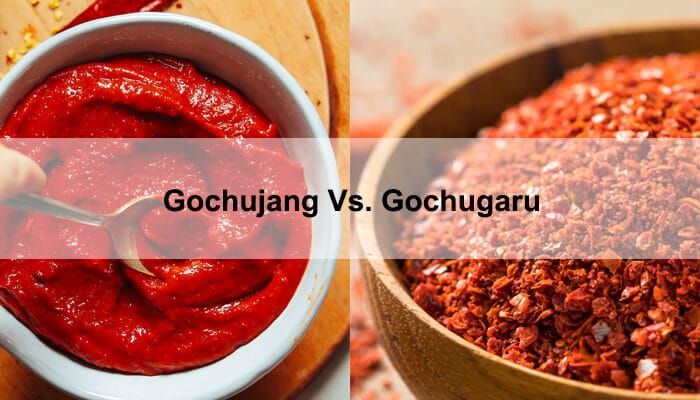
Gochugaru is a dry Korean chili powder or chili flakes made from sun-dried red peppers.
Gochujang is a thick fermented Korean chili paste made from:
- Korean chili powder
- Glutinous rice
- Fermented soybeans
- Salt
Because of fermentation, gochujang has a deeper flavor with sweetness, saltiness, and umami.
Can Gochujang Replace Gochugaru in Recipes?
In some recipes, gochujang can replace gochugaru, especially when the dish already benefits from moisture and rich flavor.
However, because gochujang is a paste, it changes:
- Texture
- Salt level
- Sweetness
- Thickness
This means the final taste will not be exactly the same.
When Is Gochujang a Good Substitute for Gochugaru?
Gochujang works well in:
- Soups
- Marinades
- Sauces
- Stir-fries
In these dishes, the paste blends easily and adds extra flavor.
For example, if a soup recipe calls for gochugaru, adding a small amount of gochujang can still provide heat and color.
When Should You Avoid Replacing Gochugaru with Gochujang?
Gochujang is not ideal in recipes where dry chili texture matters, such as:
- Kimchi
- Dry rubs
- Seasoning powders
- Crispy coatings
Kimchi especially requires gochugaru because chili flakes help fermentation and texture.
How Much Gochujang Should You Use Instead of Gochugaru?
A simple substitution rule is:
Use 1 teaspoon gochujang for every 1 teaspoon gochugaru, then reduce other salt or sugar in the recipe.
Because gochujang is stronger in flavor, small adjustments may be needed.
Does Gochujang Make Food More Spicy?
Gochujang can taste less sharp than gochugaru because fermentation softens the chili heat.
Its flavor is often:
- Mildly spicy
- Slightly sweet
- Rich and savory
So the heat feels deeper rather than immediate.
Can You Mix Gochujang and Gochugaru Together?
Yes, many Korean recipes use both together.
This combination gives:
- Heat from gochugaru
- Depth from gochujang
- Better color
- More complex flavor
Many Korean sauces rely on both ingredients for balance.
Best Substitute If You Do Not Have Gochugaru
If gochujang is unavailable or not suitable, other options include:
- Paprika mixed with cayenne
- Mild chili flakes
- Korean chili powder
These substitutes stay closer to dry chili texture.
Which Is Better for Kimchi?
For kimchi, gochugaru is always the better choice.
Gochujang adds too much moisture and fermentation flavor, which changes authentic kimchi taste.
Final Answer: Can I Use Gochujang Instead of Gochugaru?
Yes, you can use gochujang instead of gochugaru in certain recipes, especially sauces, soups, and marinades. However, because gochujang contains extra ingredients and moisture, it does not fully replace the clean chili flavor of gochugaru.
For authentic Korean cooking, keeping both ingredients in your kitchen gives the best flexibility.